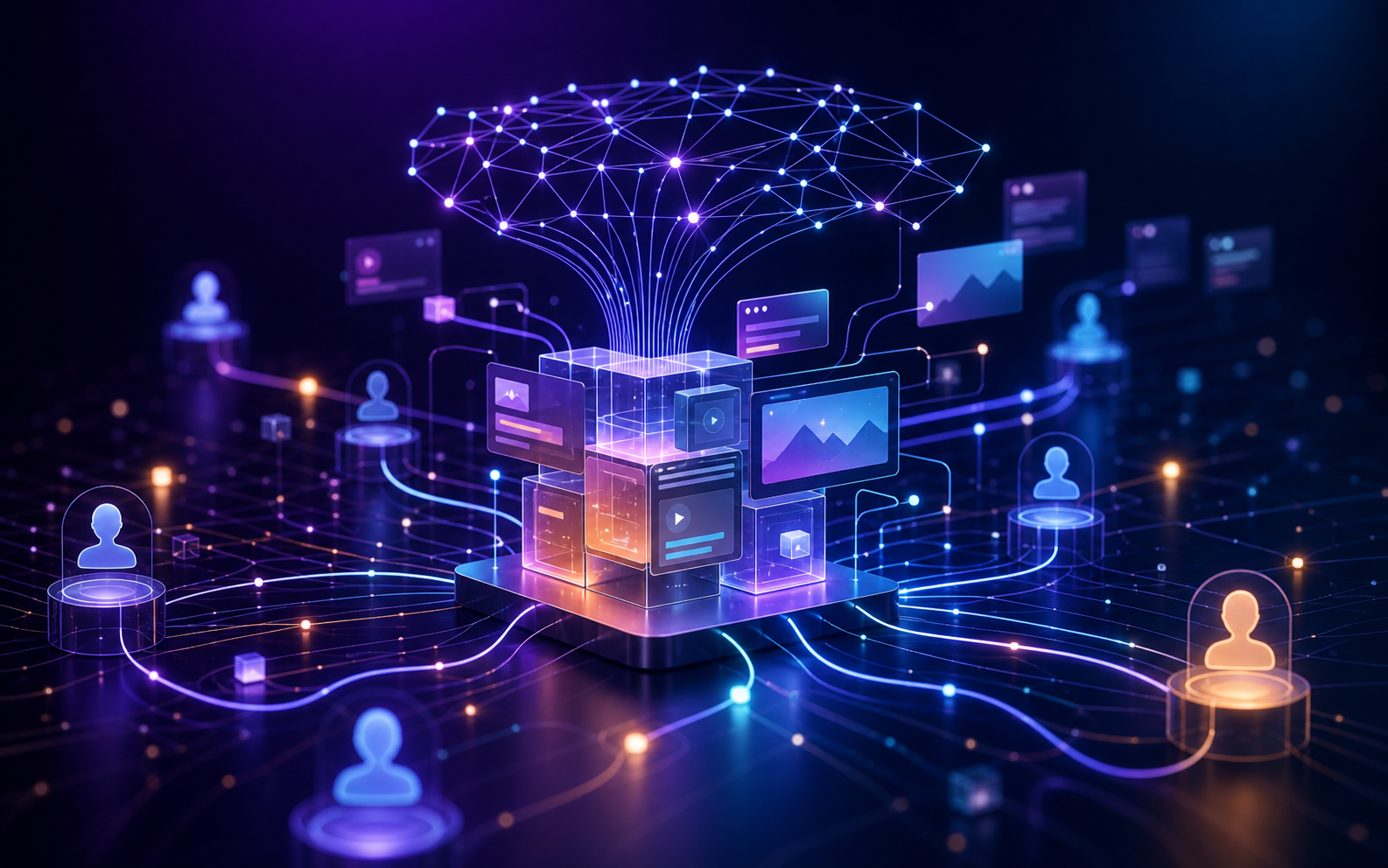
For the last two decades, websites have operated as digital brochures. Every visitor saw the exact same hero image, the exact same value proposition, and the exact same calls to action.
In 2026, AI is turning the modern CMS into a dynamic, intent-driven engine.
The Shift from Segments to Individuals
Traditional personalization relied on rigid segmentation. If a user was from California, show them image A. If they clicked from a B2B email, show them headline B. This required marketers to manually build dozens of rules and variations.
AI personalization engines (integrated into platforms like Contentful, Sitecore, and headless Shopify setups) do not rely on manual rules. They use machine learning to analyze hundreds of data points in real-time:
- Time of day and local weather
- Mouse movement and dwell time
- Past browsing history
- Referral source intent
- Scroll depth
Based on these signals, the AI dynamically assembles a unique page experience for that specific individual.
Dynamic Content Assembly
Instead of authoring a single "Homepage," content creators in 2026 author "Content Blocks" (e.g., 5 different hero headlines, 10 different product images, 4 different customer testimonials).
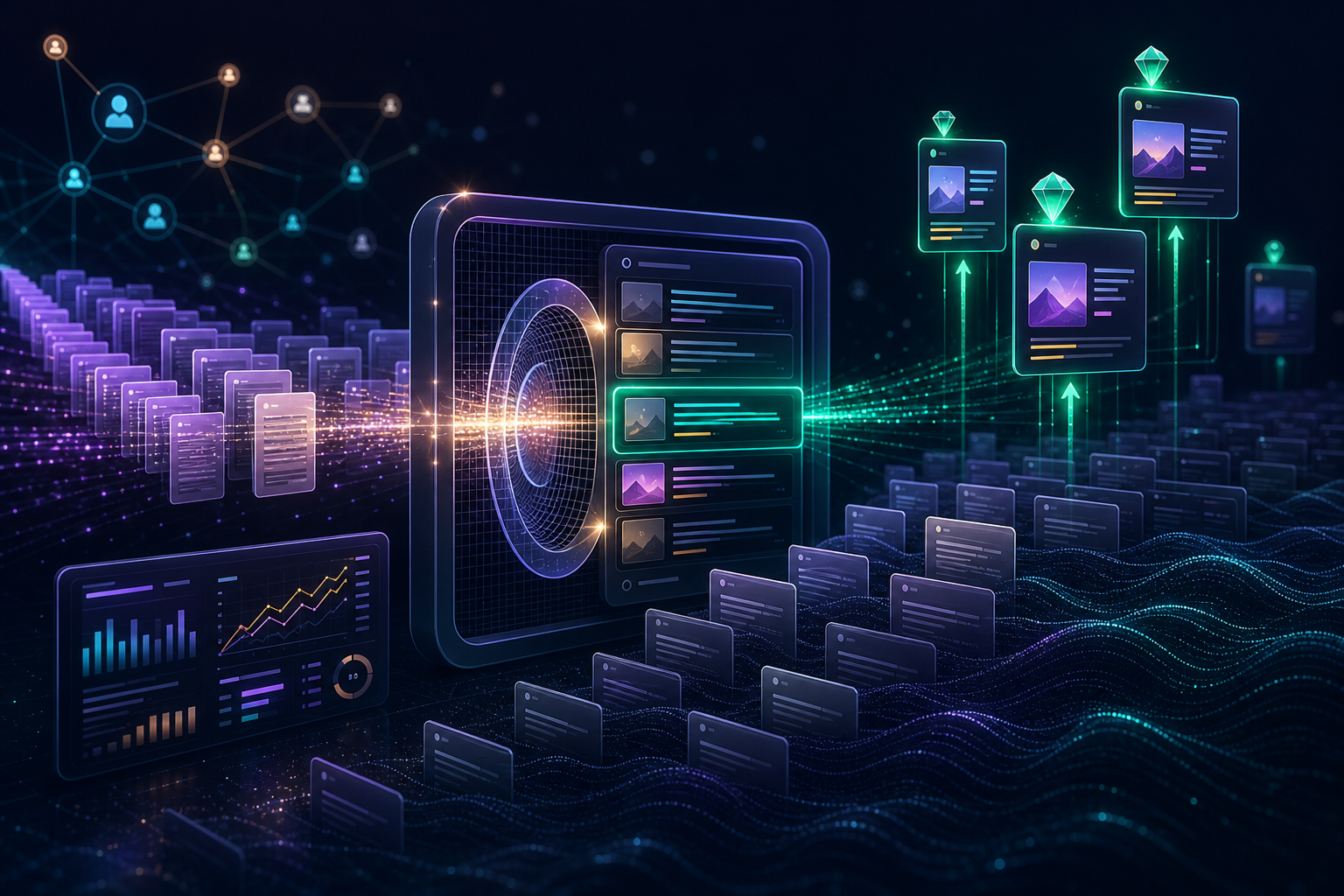
When a user visits the site, the AI predicts which combination of blocks has the highest probability of conversion.
- A returning customer sees a "Welcome Back" message with products related to their last purchase.
- A first-time visitor from an enterprise tech blog sees a highly technical value proposition and case studies of tech unicorns.
Implementation in Web Development
As developers, our job is shifting from building fixed layouts to building flexible design systems that can handle dynamic injection.
- Component Flexibility: React/Next.js components must be built to gracefully handle varying lengths of text and different image aspect ratios, as the AI might inject unexpected content.
- Edge Computing: Personalization must happen at the edge (via Cloudflare Workers or Vercel Edge Functions). If personalization requires a slow round-trip to a central database, the resulting layout shift (CLS) and slow paint times will destroy the UX.
- Data Privacy: With GDPR and strict cookie laws, modern AI relies heavily on *contextual* and *zero-party* data rather than invasive third-party tracking.
AI personalization is no longer an enterprise-only luxury; it is becoming the baseline expectation for digital experiences.
Static content is dying. Learn how AI-driven personalization engines are dynamically altering web content based on user intent, behavior, and demographics.
- Abdullah Sajid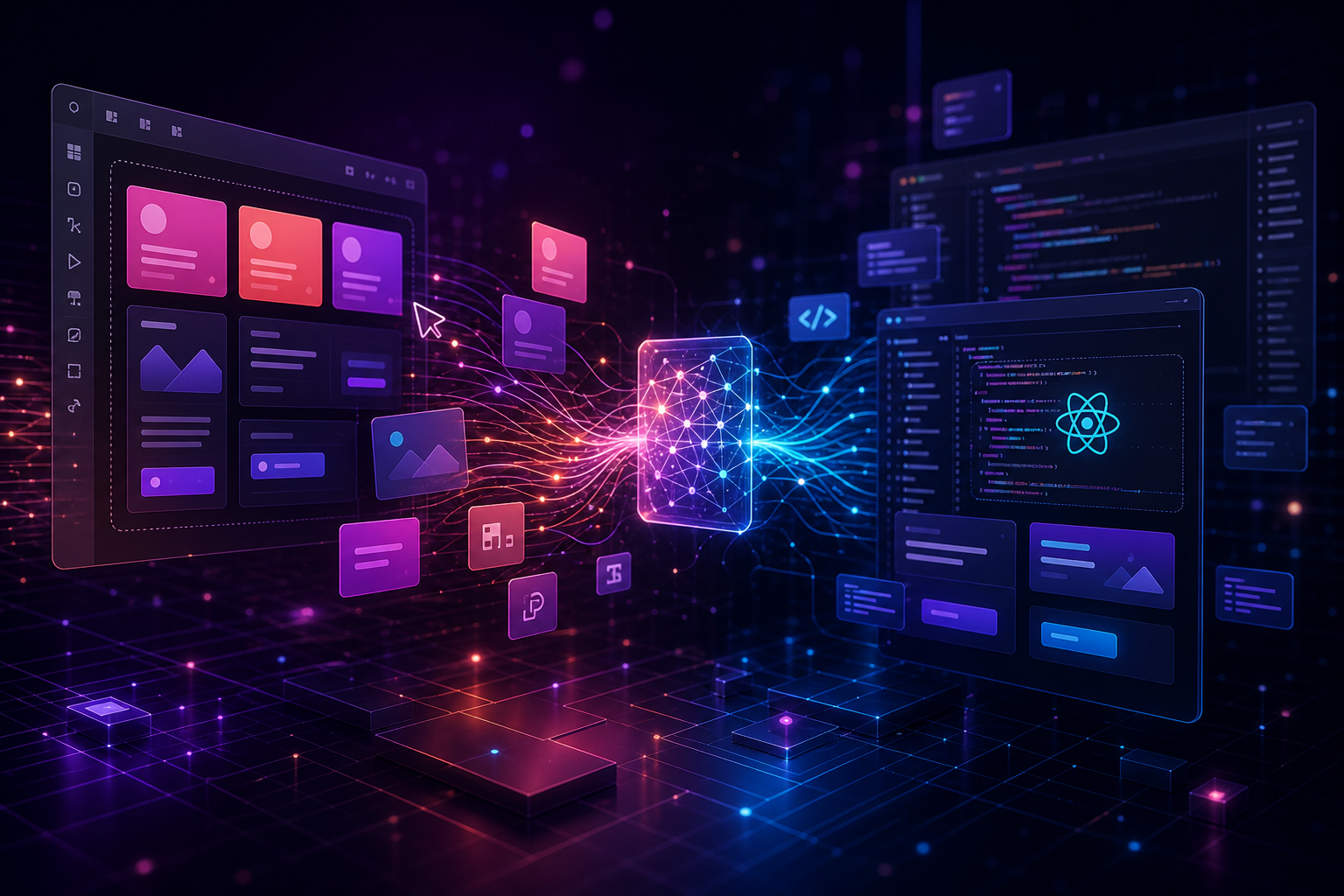

Leave a comment